
5 RFID Tracking Benefits for Better Asset Visibility
Asset visibility starts with one basic question: where is the item right now? When that answer takes too long, work slows, and records lose value. RFID can help teams see more of what moves through a site each day. These five benefits show why it may be worth a closer look.
1. Less Manual Effort
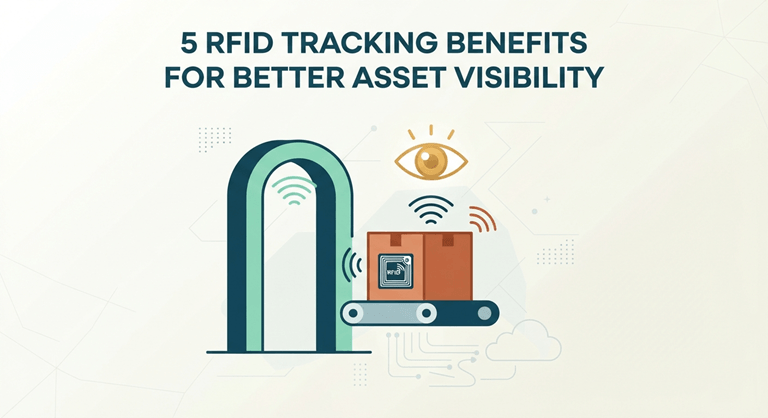
Asset counts can take hours when each tag or code needs a close scan. RFID tracking helps with faster reads because tags do not need a direct line of sight. Teams can scan several items in a room, cart, shelf, or bin at once. That can aid audits, stock checks, and return reviews.
Records are also more believable when they are available quicker. The less time required for a check, the more often teams can conduct them. This could help enhance the accuracy of tools, devices, parts, or supplies. Improved count speed will allow staff to have more time to work on tasks that require judgement.
2. Clearer Item Location
The visibility of assets is dependent on location details clarity. RFID can be used to indicate the location of the item by being located in a hand-held reader or fixed reader point. It’s beneficial for equipment that moves from room to room, team to team, vehicle to vehicle, or site to site. Reduces the time spent searching.
A top-notch platform can facilitate a practical consideration of tag type, reader setup, and site requirements. The setup is important because it impacts how far the read range is and how well the tags perform. The appropriate plan can help with more efficient location checks. Reduces the amount of time teams spend wondering where things went.
3. Better Asset History
Visibility helps to know where an asset has been and how it was used. RFID can record movement, checkouts, returns, and key events. That history can support audits and service reviews.
Details That May Matter
- Last known location
- Date of movement
- Item status
- User or team assigned
- Missed return or transfer
These facts provide teams with context rather than a blank sheet of paper. They can be utilized to identify the oversized asset, the missing asset, and recurring process gaps. If good usage data is available, then RFID tracking can help enhance the maintenance plans. Better history makes asset records a valuable work tool.
4. Fewer Gaps Between Systems
Physical assets become devalued when their asset records do not reflect the actual condition of the asset. RFID can be used to facilitate the connection of the item and the tracking system. Records can be updated with less manual entry when using fresh reads. This can minimise the number of errors due to missed scans or late updates.
When other teams can benefit from better data flow, then they do. The same asset facts might be required by Finance, Operations, Facilities and IT. If the record is up-to-date, decisions can be made in less time. That helps to be more useful to visibility with the business.
5. Stronger Control Across Sites
With multiple sites, it can be challenging to maintain asset control, with each site having its own habits. RFID can help to develop a common view of objects in the warehouses, offices, schools, clinics, or job site. Teams are able to view what is available, what has been moved, and what needs to be done. This will help to make the best use of existing resources.
Making it easier to see can also help to cut down on waste. A team might arrive at a site with old equipment, and before they purchase new equipment for another team, the old equipment might be left behind. Such control can keep to-do lists from growing excessive and save time. It provides leaders with improved insight without having to manually review a lot of paperwork.
RFID can contribute to asset visibility by making counts faster, records cleaner, and making it easier to trace the movement of items. With a proper beginning, a few good tags and readers, it becomes clear just in which ways RFID has the greatest potential for benefit. Those benefits can be used to guide teams to make better decisions throughout the day, when they require precise asset information.
Popular on OTW Right Now!



About The Author

Gagan Bhangu
Founder of otechworld.com and managing editor. He is a tech geek, web-developer, and blogger. He holds a master's degree in computer applications and making money online since 2015.