
Can You Sue for Injuries Caused by Falling Merchandise in Boynton Beach Stores?
A product falling from a shelf can cause more than a scare. A heavy box, unsecured display, or stacked item can strike your head, neck, shoulder, or back before you have time to move.
In Boynton Beach, retail stores may include grocery stores, warehouse stores, pharmacies, home improvement stores,s and more. The important thing to ask is whether the merchandise fell. The only question is why it fell and whether the store could have stopped it.
A personal injury lawyer in Palm Beach can review how the products were stacked, what the store knew, and what evidence supports your injury claim.
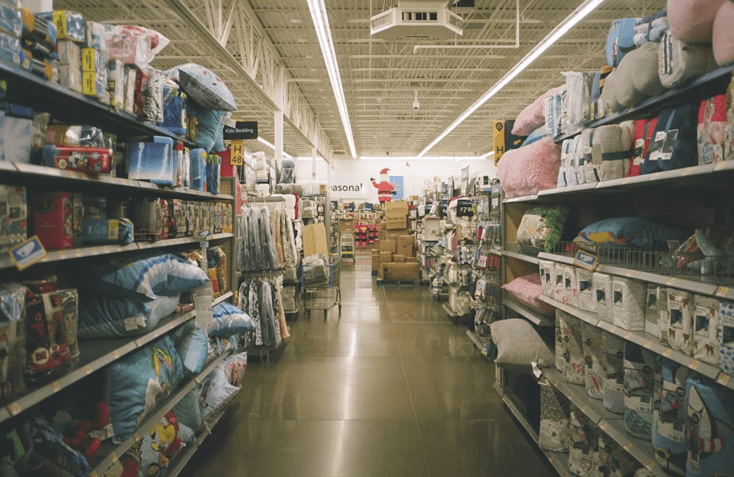
Falling Merchandise Is a Store Safety Issue
The way products are presented in stores is under retail control. They determine where items are placed, the heights to which they are stacked, how shelves are cleaned, and how frequently their aisles are checked.
Falling merchandise may result from:
- Heavy products placed too high
- Boxes stacked unevenly
- Unstable endcap displays
- Items pushed too close to the shelf edge
- Loose shelving or broken fixtures
- Products stored without proper restraints
- Employee stocking mistakes
- Crowded aisles that make contact more likely
A store doesn’t have to make sure every accident is averted. However, it must exercise reasonable care in its merchandise display and use of customer areas.
When a Store May Be Responsible
This does not necessarily establish the negligence of a store just because a falling product occurred. The basis of the claim is normally whether the store actually caused the danger, had knowledge of the danger, or should have known of the danger.
There is a possibility that the shop owner may be liable if the staff have not stored the goods safely. It also may be culpable if a display was already deteriorating and no one repaired it.
Examples may include:
- A heavy item stored above shoulder height without support
- Boxes stacked in a way that leaned into the aisle
- A display that had shifted or collapsed before
- Employees are ignoring customer complaints about unsafe shelving
- Products fell during stocking because the area was not blocked off
The focus is on preventability. Could reasonable store practices have reduced the risk?
Notice Matters in Retail Injury Claims
Notice is frequently a focal point. Stores and insurers might say that nobody was aware of the product’s safety before it fell.
There are two forms of notice.
Actual notice means the store knew about the unsafe condition. This may happen if an employee saw the unstable display or a customer reported it.
Constructive notice means the condition existed long enough that the store should have discovered it through reasonable inspections.
Notices can be made by prior complaints, through inspection logs, via employee reports, surveillance, or by the actual condition of the display. It may be that it’s been a long time since the boxes were leaning, and the store had a good chance to fix the issue.
Evidence That Can Show the Fall Was Preventable
Evidence is important because the store may clean up and/or move the aisle around shortly after the incident. It’s possible the display may change in minutes.
Helpful evidence may include:
- Photos of the shelf or display
- Photos of the product that fell
- Photos of the aisle layout
- Surveillance footage
- Witness statements
- Incident reports
- Store inspection records
- Product weight or packaging information
- Medical records and bills
A photo of goods that are piled above the edge of the shelf can help with your claim. If you can’t show a video of the unstable display prior to the accident, you can show it afterward.
Make sure that an incident report was made, but don’t assume that the store will keep a record.
Common Injuries From Falling Merchandise
Injury is often determined by the weight, height, and point of impact of the product. A small item may cause bruising. A heavy box or appliance can result in more serious damage.
Common injuries include:
- Head injuries
- Neck injuries
- Shoulder injuries
- Back injuries
- Cuts or bruising
- Concussions
- Broken bones
- Nerve-related pain
Medical treatment helps you stay healthy and provides an account of your injuries and how they are related to the incident. A delay in treatment may provide the insurance company enough time to question whether the injury was minor or not.
How Stores and Insurers May Defend the Claim
Stores will frequently refuse to accept responsibility following an incident involving fall injuries. Many stores refuse to accept responsibility when they have suffered a fall injury incident. The insurance company may state that the product slipped, or the customer touched, pulled, or bumped the product in the display.
Other common arguments include:
- The display was safe before the incident
- Employees had no notice of a problem
- The injured person caused the item to fall
- The injury was not serious
- The medical treatment was unrelated
A personal injury accident lawyer in Florida may review the evidence to test these claims. The defense should be based on facts, not assumptions.
Florida Fault Rules Can Affect Compensation
Florida has a modified comparative negligence statute. In covered negligence cases, a party whose negligence is over 50 percent responsible for his or her own injury might not be able to claim damages. If a party was partially responsible for the injury but not to the extent of the limit, then they may be denied full compensation for their portion of responsibility.
It could be significant in drop damage cases. A store could say there was something that was obvious,s which you neglected to take into account, or a product that you brought down. Evidence can be used to answer that argument.
Florida law also provides for two years for actions based on negligence. This deadline is important,nt but video footage and store records may be lost much sooner.
What You Should Do After Merchandise Falls on You
After the incident, focus on safety and documentation.
You should:
- Report the incident to store management
- Ask for an incident report
- Take photos of the product, shelf, and aisle
- Get witness names and contact information
- Seek medical care
- Keep receipts, medical bills, and treatment records
- Save any photos or messages related to the incident
Try not to guess the direction in which the product fell. If you don’t notice the condition before impact, state it out loud. If the guess is incorrect, it may lead to confusion later.
Conclusion
In Boynton Beach, you might have a claim for injuries resulting from dropped items in an outlet if the accident was caused by unsafe stacking, inadequate shelving, lack of inspection, or failure to heed warnings. Such claims are usually based on the store’s ability to have warned of the hazard and corrected it, or the failure to do so due to a lack of time.
Evidence matters because retail conditions can change quickly. Photos, reports, witness statements, medical records, and store footage can help show what happened. FK Legal can review your case and explain how store liability may apply to your injury claim.
Popular on OTW Right Now!




About The Author

Gagan Bhangu
Founder of otechworld.com and managing editor. He is a tech geek, web-developer, and blogger. He holds a master's degree in computer applications and making money online since 2015.