
How smart offices are changing the way we use technology every day
The modern workplace looks very different from what it did even a few years ago. Offices are becoming faster, more connected, and surprisingly more flexible. Tasks that formerly needed paper, lengthy meetings, or back-and-forth email correspondence can now be carried out in minutes with the aid of smarter systems.
The technology that is improving task management and adding ease to daily tasks and processes is slowly being embraced by many companies. The size and scale of workplaces are changing, and smart meeting rooms, cloud collaboration tools, and automated systems are becoming more prevalent. Some companies are also investing in stronger digital infrastructure and business internet solutions to support video calls, shared platforms, and remote teams more reliably.
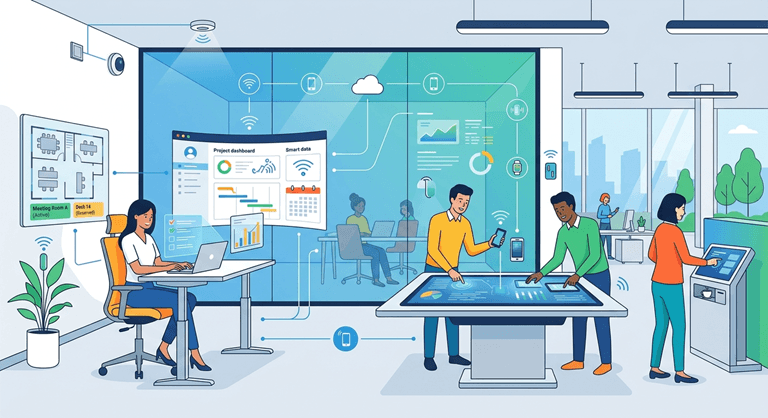
Smart offices are intriguing because of the unobtrusive nature of their impact on daily routines. Moderate changes can sometimes save time and reduce frustration, and even though it might be unnoticed by employees at first, it still adds to the organized feeling of work.
Communication feels faster and easier. ier
Staying connected at work has become much simpler. Video meetings, instant messaging platforms, and shared calendars help teams collaborate without waiting for lengthy email chains.
In the workplace, many problems are solved faster, and we now have conversations that occur in real time. Fast communication also helps to decrease misunderstandings that could hamper projects.
Repetitive tasks are becoming automated.
In the office, there are sometimes minor activities that quietly rob your time. Meeting simple tasks like scheduling meetings, sending reminders, approving files, organizing files, etc., can easily seem simple things, but they really add up.
Many of these tasks are now done automatically. Staff save time on repetitive admin tasks and spend more time on purposeful activities.
Flexible work is easier to manage.
Smart office technology has made remote and hybrid working much more practical. Teams can remain productive from various locations using shared documents, project management tools, and cloud storage.
It’s easier to collaborate without having to be in the same room each day. Many businesses can enjoy more flexibility while maintaining project organization.
Workspaces are becoming more efficient.
Physical office spaces are also being enhanced with smart lighting, room booking systems, and energy-saving technology. Certain offices automatically respond to lighting and/or temperature changes in accordance with the usage of the space.
Something as simple as this contributes to comfort and can help businesses save resources. People frequently get better working environments without much consideration for the technology involved.
Data helps businesses work smarter.
Many workplaces now use data to understand productivity patterns, meeting habits, or space usage. Better insights help managers make more informed decisions.
Educational enhancements that are based on actual data can lead to improved workflow and reduced employee frustrations.
Smart offices alter the way people work in often subtle ways. With the improvements in communication, flexible systems, and smarter systems, daily work feels like it’s running more easily than usual. In the future, offices will become even more connected and efficient.
Popular on OTW Right Now!

About The Author

Gagan Bhangu
Founder of otechworld.com and managing editor. He is a tech geek, web-developer, and blogger. He holds a master's degree in computer applications and making money online since 2015.