
AGV Forklift Series Guide
Warehouses and manufacturing plants are speeding up their shift to digital methods. Because of this, automated material handling is now a key part of daily logistics. Businesses want new ways to rely less on manual work. They also want to boost accuracy and keep production running all day and night. Many automation tools exist right now. However, AGV forklifts stand out as highly useful machines. They help build smart warehouses and improve internal logistics.
Standard forklifts need human drivers. In contrast, AGV forklift systems steer themselves. They use smart scheduling and share data in real time. This allows them to move goods safely and quickly across a building. Furthermore, they connect easily with Warehouse Management Systems (WMS), Manufacturing Execution Systems (MES), and Enterprise Resource Planning (ERP) platforms. This connection builds a smooth flow of data and items throughout the whole supply chain.
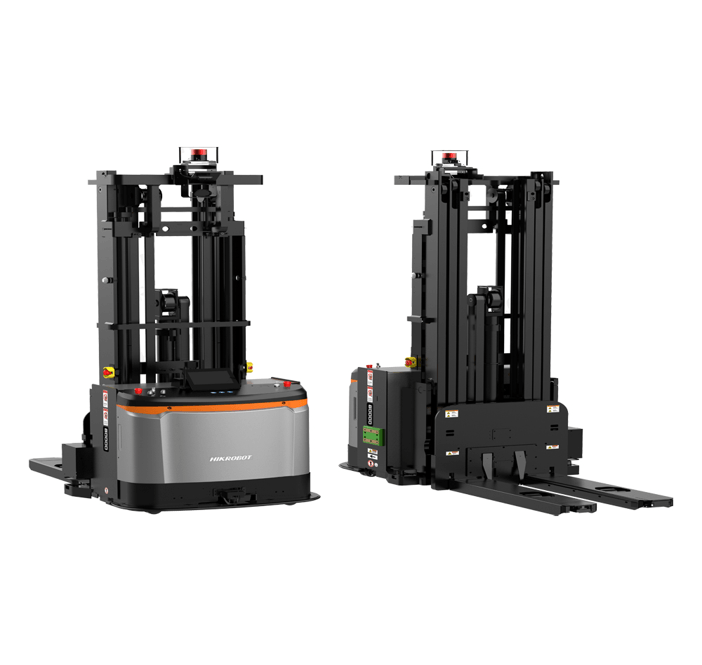
Buyers can find several distinct types of machines in the AGV range. Makers design each series for specific industries and storage setups. These AGV forklifts often handle packed storage spaces. They also travel down very tight aisles. Additionally, they can lift very heavy items and operate inside busy production areas.
This text covers the main types of AGV forklifts. We look at different versions, including the Stacking Series and the Omnidirectional Series. We also explain the unique traits of these models. Furthermore, we outline the benefits of using AGV forklifts and point out the markets that buy them. This guide will help businesses pick the best AGV forklift for their future automation plans.
What Defines the AGV Forklift Series in Modern Industrial Automation?
Automated Guided Vehicles (AGVs) for forklifts act as a fresh type of industrial logistics tool. They blend robotics, navigation, and smart control. Together, these parts form a strong and reliable automation setup. The forklift mobile robot works safely on its own. It picks up and moves items across a warehouse or factory floor. Many makers of cars, home appliances, and electronics use them for internal transport. The AGV forklift helps different production lines. It handles everything from raw parts to finished goods. Finally, workers can link the vehicle with a Warehouse Management System (WMS) to run a smart factory.
Key Features of AGV Forklifts
AGV forklifts use modern navigation tools. These include laser SLAM, visual SLAM (VSLAM), and QR code tracking to find their exact spot. Forklift Mobile Robots (FMR) feature laser SLAM navigation. They work well with storage racks between 1.6 and 4 meters high. Also, they can carry loads up to 1500 kg. This weight limit fits standard pallets from Europe and America. These robots talk with WMS platforms instantly. They get new jobs on the go and keep materials moving in step. Their built-in safety systems use LiDAR sensors and cameras. These parts notice sudden changes in the area. At the same time, they find the best paths to move more goods faster.
Core Advantages Over Traditional Forklifts
Trading manual forklifts for AGV robots helps companies rely less on human workers. It also makes daily tasks much more stable. Right now, skilled workers are hard to find, and wages keep going up. Because of this, many factories and logistics firms use AGVs to move goods every day. This choice helps businesses cut costs. It also lets human staff focus on more valuable jobs. Automated handling greatly lowers the number of mistakes. Safety is another major benefit. Laser-based sensors and self-parking features keep the work area safe. As a result, factories see fewer crashes and broken items. This drop in damage leads to lower running costs and a steadier output.
How Does the Stacking Series Operate in Different Logistics Scenarios?
The Stacking Series in the AGV forklift group focuses on vertical storage tasks. These tasks include stacking pallets, fetching items, and placing goods on shelves in tight spaces. Makers build this series for warehouses that pack goods closely together. It also suits production lines that need to use tall spaces well.
Structural Design and Functional Highlights
These forklifts have small body frames. This shape lets them turn easily in tight aisles while still lifting heavy weights. Stacking models use cameras or laser sensors to line up pallets perfectly. They can stack several layers on their own based on the weight and size of the load. Their strong lifting parts stay steady even when reaching high shelves. Good servo systems keep their movements smooth. Linking them to a WMS allows managers to hand out tasks on the fly. This setup ensures the best use of space when goods enter or leave the building.
Typical Application Environments for the Stacking Series
The Stacking Series works perfectly in highly automated warehouses. These places need tight storage systems and smooth links to assembly areas. It also fits factories that move pallets non-stop between different work zones. The forklifts serve distribution centers well. They help group orders together and move pallets on their own during busy hours. Inside online retail warehouses, AGVs pick, sort, and handle boxes. They greatly boost speed and accuracy. This help is very useful during huge sales events like Black Friday or Double 11.
In What Ways Does the Omnidirectional Series Enhance Material Flow Efficiency?
Our new Omnidirectional Series offers a huge leap in movement. It uses a Mecanum wheel or a similar omniwheel in its clever design. This feature lets the machine move in any direction. It can travel freely with a full 360-degree range. Such a vehicle works very well in tight spots or crowded paths. It easily passes through areas where a standard truck gets stuck.
Technical Characteristics of the Omnidirectional Series
The Omnidirectional Series Forklift Mobile Robot (FMR) uses 3D navigation. It pairs this with laser SLAM and visual tracking to find its spot down to the millimeter. The smart routing software changes the path right away if it meets a block or moving traffic. Built-in weight sensors check the load balance on the FMR constantly. This check keeps the robot steady while it drives sideways. Such balance is vital when moving delicate or lopsided items.
Common Use Cases Across Industries
Electronics factories use omnidirectional forklifts on their lines. These places need exact movements inside tiny spaces. Car plants also use them to carry mixed pallets to various work zones. Busy shipping centers rely on them as well. They use multiple AGVs at once, and these nimble trucks manage traffic at crowded corners. Future designs will rely on smarter software. This software will direct hundreds of AGVs in huge, tricky spaces. The machines will work together in perfect harmony.
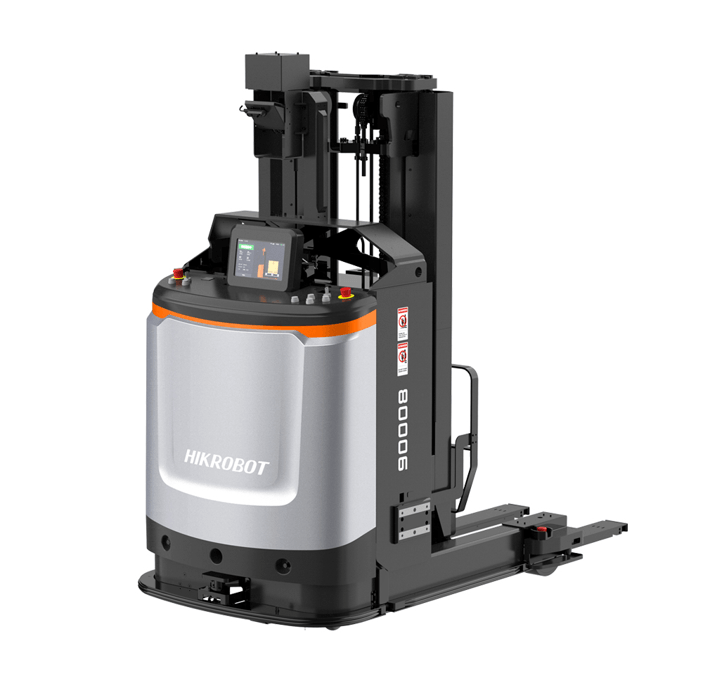
How Do Forklift Mobile Robots Integrate into Smart Factory Ecosystems?
Forklift mobile robots act as vital parts of smart factories. They link automated storage rooms to active production lines. They use IoT networks to share data. Through this link, they become a core piece of the whole factory system.
System Integration with IoT and MES Platforms
These robots connect straight to Manufacturing Execution Systems (MES). They get instant task updates and gather working data to spot future trends. AGVs are turning into smart transport hubs. They link up with WMS, MES, and ERP systems. This link builds smooth data circles and flexible schedules. The IoT connection tracks the robot’s health at all times. It checks battery levels and motor strength. This check helps managers plan repairs early and avoid sudden stops.
Benefits to Smart Factory Operations
Forklift mobile robots keep factory work moving without breaks. They travel constantly between storage zones and work spots. The software logs every movement and step. The MES system saves all this data. Because of this, managers can track materials perfectly at any moment. These robots are also very adaptable. Teams can set them up quickly for new product lines. They support lean building methods in many fields. These fields include car making, electronics, food packing, and medicine.
Why Is Wesar Intelligence Co., Ltd. Considered a Reliable AGV Robot Supplier?
Wesar Intelligence Co., Ltd. stands as a top supplier of complete smart factory setups. The main focus of Wesar is building green, smart transport robots. They also design and build entire factory systems. Wesar does not just make machines. They also write software and link different systems together. This broad work results in a full automation package. They build it to meet the exact needs of clients across the globe.
Strengths of Wesar Intelligence Co., Ltd. in AGV Development
Wesar follows market trends closely. Skilled experts with years of material handling background run the firm. A trained engineering group handles on-site setup and later repairs. This care keeps buyers happy. Wesar focuses heavily on research. They constantly upgrade items like Stacking Series forklifts. They also improve other tools, such as Omnidirectional Series forklifts, latent mobile robots (LMR), carton transfer units (CTU), and heavy-duty movers (HMR). These updates meet fresh market needs. The support team at Wesar gives a full warehouse service package. They help with early talks, planning, and design. They also handle making the goods, putting them in place, and fixing them later. Buyers get lasting quality and fast technical help within 12 hours anywhere in the world.
What Factors Should Be Considered When Selecting an AGV Forklift Solution?
Picking the best AGV forklift setup takes careful thought. Buyers must match the specific truck to their clear daily goals. The new machines must also work well with the current digital computer networks in the building.
Evaluation Criteria for Implementation Success
Important points to check include weight limits. Buyers must look at these limits next to building rules, like aisle space or ceiling height. The robots must connect to current business software, such as ERP or WMS. This link is vital for smooth daily control. Buyers should also think about repair ease. Picking a seller with strong technical help lowers the chance of long stops as the business grows. Trusted AGV sellers like Wesar give smooth setup services. They also offer lasting tech support to keep everything running well.
Conclusion: The Strategic Role of AGV Forklifts in Future Logistics Systems
AGV forklifts display a great mix of robot brains and factory speed. They work hard on the floors of modern shipping centers. Some handle tall stacking tasks. Others move freely in all directions. Either way, AGV forklifts are changing how goods travel inside plants. These systems greatly lower risks for human workers. At the same time, they use floor space much better. Many businesses now use smart manufacturing methods. They apply IoT and AI tools to smooth out daily steps. Because of this trend, AGV forklifts will stay very important. These mobile robots will guide automation in warehouses across the globe. They will push the whole field toward better and larger supply chain setups.
FAQs
1. What distinguishes an AGV forklift from a traditional forklift?
Our AGV forklifts drive themselves. They use tools like laser SLAM or magnetic tracks to find their way. Because of this, human steering is no longer needed. The machines do the same tasks over and over with exact care.
2. Can stacking series forklifts handle different pallet types?
Yes, they can. Stacking Series models come with moving forks. They also have sensor tools to line things up. This design helps them move many sizes of pallets easily.
3. How does the omnidirectional series improve space utilization?
This forklift can move in a full 360-degree circle. It drives well inside very tight storage aisles. It does not even need room to turn around. This skill lets managers pack more goods onto the warehouse floor. It also keeps enough open space for safe work.
4. Are AGV forklifts suitable for outdoor operations?
Makers build this system mostly for indoor spots. Warehouses and factory floors are the best places for them. However, buyers can use certain setups in covered outdoor areas. To do this, the robots need special covers to block bad weather. They also need extra sensors to stay safe.
5. What support does Wesar Intelligence provide after installation?
We give steady technical help after the sale. Our team fixes problems from far away. We also send software updates and adjust the network settings. These steps make sure our products run perfectly for a long time.
Popular on OTW Right Now!


About The Author

Gagan Bhangu
Founder of otechworld.com and managing editor. He is a tech geek, web-developer, and blogger. He holds a master's degree in computer applications and making money online since 2015.