
The Myth of Speed: How Unstructured Workflows Create More Work
In many organizations, speed is celebrated as the ultimate marker of productivity. Teams rush through tasks, exchange endless messages, and squeeze more meetings into the calendar. On the surface, this looks like progress. But without structure, speed becomes its own trap—leading to rework, confusion, and frustration.
Unstructured workflows create the illusion of efficiency. Everyone looks busy, but projects stall under the weight of duplicate work, missing context, and unclear ownership. Instead of moving forward, companies waste time untangling the mess.
Lark provides a different approach. By creating a connected environment where conversations, documents, schedules, and accountability come together, it ensures that speed translates into meaningful outcomes—not chaos.
Lark Base provides clarity for sustainable growth

The more a business grows, the more painful unstructured workflows become. Teams track projects in scattered spreadsheets or private documents, leaving leaders to wonder which version to trust. The lack of structure slows decisions and erodes confidence.
Lark Base addresses this by creating a flexible system that allows work to be tracked in tables, timelines, or Kanban boards. Records update in real time, so everyone works from the same source of truth. Automations handle routine tasks, like sending reminders or updating progress, ensuring consistency even as teams scale.
This is also where Lark, a CRM app reflects the value of a single foundation where workflows, relationships, and data stay connected. Instead of piling up more work, it reduces friction so teams can build momentum with clarity.
Lark Messenger keeps conversations anchored in context
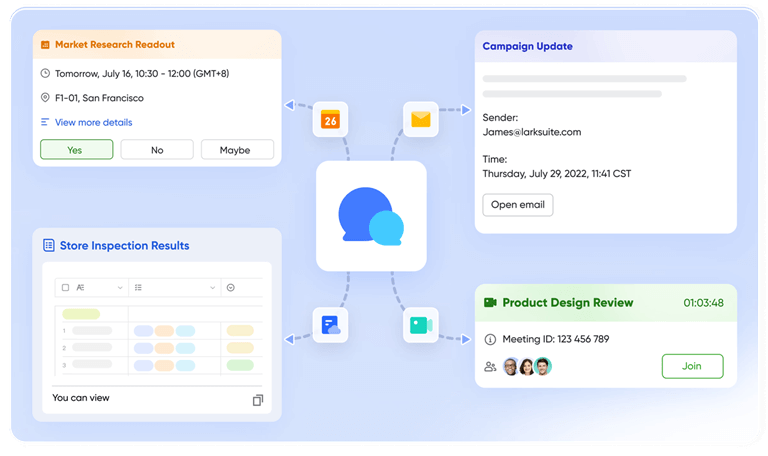
One of the most common ways speed turns into chaos is through communication. Teams fire off quick updates in chat, but without structure, those decisions disappear. A week later, no one remembers what was agreed on, and the same conversation repeats.
Lark Messenger prevents this breakdown. Threads organize conversations by topic groups, pinned messages surface the most critical updates, and chats can be turned into Tasks or exported into Docs. A quick approval or idea in Messenger doesn’t vanish into noise—it’s tied to the work itself. Instead of losing context, teams move forward with confidence.
Lark Calendar makes shifting priorities visible
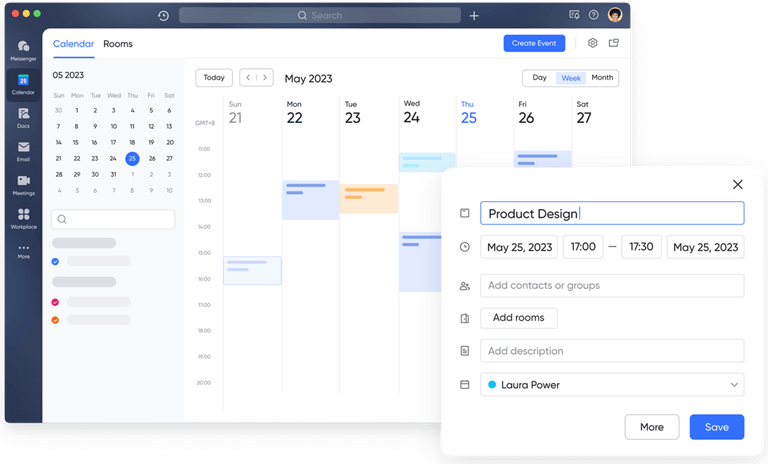
Fast work loses value if timing is off. Without shared visibility, reviews arrive late, milestones overlap, and deadlines conflict with other commitments. Teams feel like they’re sprinting, but in reality, they’re running in circles.
Lark Calendar solves this by keeping priorities visible. Deadlines from Tasks and milestones from Base feed directly into shared calendars. Reminders keep reviews on track, and availability views help distributed teams coordinate across time zones. Calendar ensures speed doesn’t just mean moving quickly—it means moving in sync.
Lark Tasks turns accountability into an automated workflow
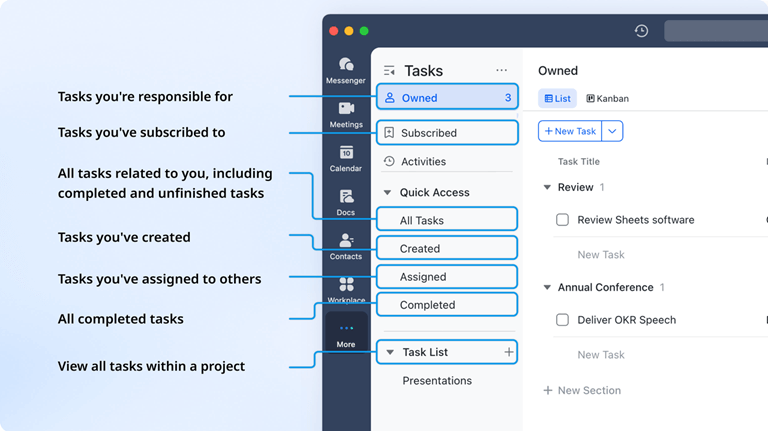
Speed often hides a deeper issue: no one knows who owns the work. A task gets mentioned in a meeting or chat, but without clear responsibility, it stalls. Work feels fast, but outcomes are slow.
Lark Tasks brings accountability into focus. Each task has a clear owner, deadline, and visible progress. Tasks can be created directly from Messenger discussions, a single, living document that teams co-edit in real-time, keeping commitments connected to real work.
This is also where the power of an automated workflow comes through. Instead of relying on manual follow-ups, Lark automates reminders, status changes, and notifications. Routine actions happen in the background, giving employees more time for high-impact work. Speed stops being chaotic because accountability and automation keep it steady.
Lark Docs and Lark Wiki preserve clarity over time
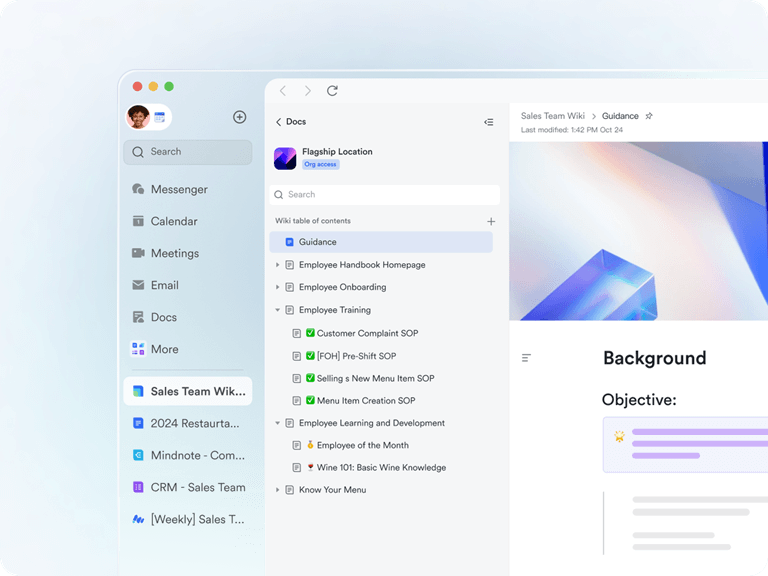
Unstructured workflows often cause knowledge to disappear. Teams often complete projects quickly, but the resulting documents often end up scattered in forgotten folders. The next team starts from scratch, repeating work that could have been reused.
Lark Docs changes this by providing one living document that teams co-edit in real time. No duplicates, no endless email chains. Once a document is finalized, it can be published into Wiki, where it becomes part of a searchable company knowledge base. Instead of rushing toward the same mistakes, organizations build on past lessons and grow smarter with each project.
Lark Meetings ensures discussions turn into outcomes
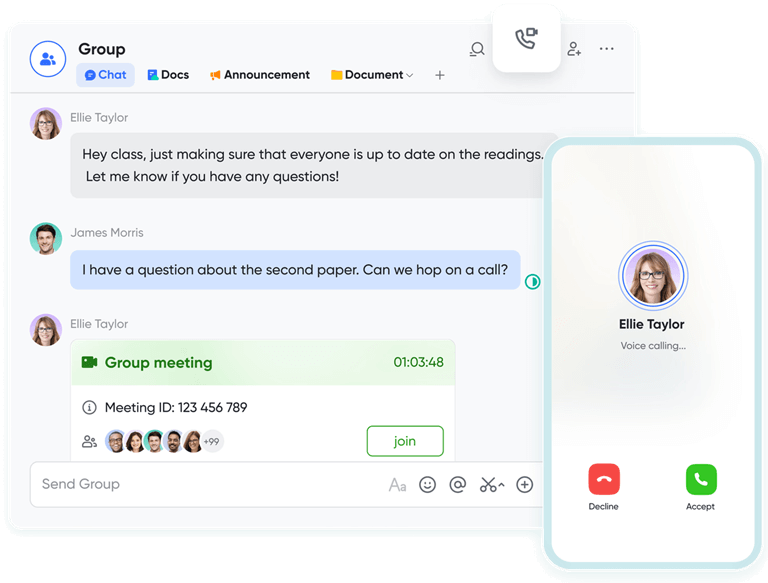
Meetings are often where “busy” disguises itself as “productive.” People leave with a sense of momentum, but without structure, the outcomes fade. Notes are inconsistent, action items are forgotten, and the same topics return the following week.
Lark Meetings changes that dynamic. Notes, transcripts, and highlights are automatically captured and shared with participants. Action items are linked to Tasks, ensuring that discussions are followed through with execution. Meetings stop being repetitive rituals and start driving forward motion.
Lark Mail organizes external communication
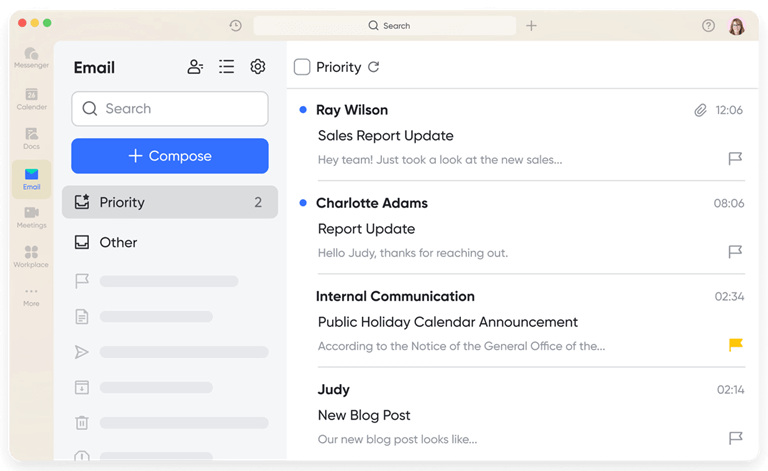
Unstructured workflows don’t just harm internal teams—they also impact clients and partners. Important emails get lost, responses come late, and opportunities slip away.
Lark Mail ensures email becomes part of the workflow. Messages can be connected to Tasks, Base projects, or meetings, so nothing falls through the cracks. Teams respond faster and with better context, strengthening both speed and trust with external stakeholders.
Conclusion
The myth of speed convinces companies that moving faster equals progress. But without structure, speed creates more work—duplicate files, missed deadlines, lost knowledge, and unclear accountability.
Lark replaces that illusion with clarity. Messenger ties conversations to work, Calendar keeps schedules aligned, Tasks builds accountability with automation, Docs and Wiki preserve knowledge, Meetings capture decisions, Mail keeps external communication connected, and Base provides the foundation for scale.
Together, these features ensure speed fuels productivity instead of draining it. For businesses ready to further strengthen their advantage, adopting modern project management tools brings the same clarity to customer-facing work. When structure supports speed, companies don’t just move faster—they move smarter.
Popular on OTW Right Now!




About The Author

Gagan Bhangu
Founder of otechworld.com and managing editor. He is a tech geek, web-developer, and blogger. He holds a master's degree in computer applications and making money online since 2015.