
How to Clean Mudrooms and Entry Areas Before Dirt Spreads Indoors
Mudrooms and entry areas take the first hit from whatever comes through the door. Shoes drop soil, bags brush against walls, pets carry debris across the threshold, and coats, umbrellas, sports gear, and deliveries all pass through the same small space.
Because so much activity is concentrated there, an entrance can become dirty faster than rooms farther inside.
The main problem is not simply the amount of dirt near the door. It is movement. Grit falls from footwear, gets caught beneath mats, transfers to bare flooring, and then travels farther under shoes, socks, or pet paws. Clutter makes the process harder to see because debris collects underneath racks, baskets, and benches.
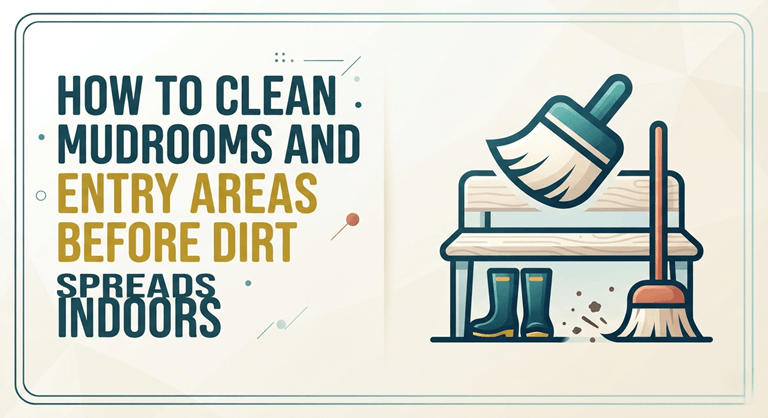
A practical cleaning approach should interrupt that movement at several points. Keep the main floor exposed, empty the places where grit collects, separate wet mess from dry debris, and inspect the first indoor route before deciding how far the cleaning should extend.
Clear Enough Floor to See Where the Dirt Is Landing
An entry area becomes difficult to maintain when most of the floor is covered.
Shoes, backpacks, reusable bags, sports equipment, pet supplies, packages, and umbrellas can quickly occupy the space closest to the door.
Move those items before starting.
Return what already has a proper storage place. Set aside anything that belongs elsewhere in the home. Throw away packaging or obvious trash.
Do not simply shift everything onto the opposite side of the room.
The point is to expose the floor so the debris pattern becomes visible.
Before a visit from Carolina Dream Clean, clearing personal belongings from the main entry floor can also make it easier to distinguish actual cleaning work from objects that simply need to be put away.
Once the floor is open, you can see whether the heaviest buildup sits around the threshold, beneath the mat, beside the shoe rack, or along the path toward the next room.
Treat Mats as Dirt Collectors That Need to Be Emptied
Entry mats are supposed to catch debris before it travels farther.
That only works while the mat itself is reasonably clean.
An outdoor mat may collect larger soil particles, while an indoor mat catches finer grit and some moisture. As those materials accumulate, the mat can begin releasing them back onto shoes.
Lift the mat instead of cleaning only around it.
Depending on its care instructions, shake it outdoors, vacuum it thoroughly, wash it, or use another appropriate method.
Then inspect the floor underneath.
Fine grit often works through the fibers and settles below. Moisture can also remain trapped under certain mats longer than expected.
A mat that looks acceptable on top may still be surrounded by a dirty border or hiding debris underneath.
Separate Wet Mud From the Grit It Leaves Behind
Mud changes as it dries.
Fresh mud contains moisture and soil. Later, the visible wetness may disappear while fine dirt remains on the floor.
Handle those stages differently.
If there is standing moisture, blot or remove it appropriately first so it does not spread farther.
Once the floor is no longer actively wet, remove the loose soil with a vacuum, broom, or other method suited to the flooring.
Only then should remaining marks receive damp cleaning.
Adding more water to a layer of dry grit can simply turn it back into muddy residue.
This sequence is especially useful around thresholds and mat edges, where small amounts of soil repeatedly accumulate.
Give Shoe Storage Its Own Debris Check
Shoe racks, cubbies, trays, and baskets often become secondary dirt sources.
Soil falls from soles after footwear has already been put away.
A shelf may therefore look organized while holding a line of sand, dry mud, pet hair, or small stones beneath the shoes.
Remove footwear one section at a time.
Vacuum loose material from the shelf or tray.
If the surface can be wiped, use a method appropriate for its material and let it dry before returning the shoes.
Check beneath freestanding racks too.
If muddy or wet footwear is common, a washable tray can help keep the mess concentrated in one location rather than allowing it to spread across the full entry floor.
Keep Wet Footwear Out of Closed Storage Until It Can Dry
Storage and drying are not always the same thing.
Placing wet shoes directly into a tightly enclosed cabinet may hide the visual clutter, but it can also leave moisture sitting in a poorly ventilated space.
Use a temporary drying location that suits the flooring and footwear.
Once the shoes are dry, they can return to their permanent storage.
This small distinction can prevent the shoe cabinet itself from developing damp residue or becoming another surface that repeatedly needs wiping.
It also keeps wet soles from transferring moisture onto cleaner footwear stored beside them.
Follow the Dirt Handoff Instead of Cleaning by Room Name
Entry dirt usually moves through a chain.
A shoe releases grit onto the mat. The mat drops some of it underneath. A shoe rack catches another portion. Bare flooring receives what escapes those traps. Foot traffic then carries the remaining particles toward the hallway or kitchen.
Each step is a handoff.
That sequence can define the work for cleaning services charlotte nc far more precisely than treating the mudroom and every adjoining room as equally dirty. Empty the collection points first, remove what has accumulated around their edges, and then continue only along the surfaces where the next transfer is visible.
The cleaning follows the movement of the debris rather than the name of the room.
That keeps a small entrance problem from automatically turning into an unnecessary whole-floor project.
Inspect the First Indoor Route for Secondary Grit
After the immediate entrance is clean enough to assess, walk the path people normally take next.
It may lead toward a hallway, staircase, kitchen, or living area.
Look for:
- Fine grit
- Dusty footprints
- Small dried mud marks
- Pet paw residue
- Debris concentrated along one side of the path
If the signs stop after several feet, stop there.
There is no reason to extend the job across surfaces that show no evidence of transfer.
This approach is especially useful when the entry opens directly into a larger floor plan. One dirty threshold does not necessarily mean the entire level needs the same treatment.
Clean Threshold Grooves and Door Edges Carefully
The threshold itself can hold debris that ordinary floor tools miss.
Small grooves, door tracks, seams, and transitions may catch grit every time people cross them.
Use a narrow vacuum attachment or soft brush where appropriate.
Avoid pushing debris into drainage openings or hardware.
If the threshold includes several materials metal, painted wood, tile, stone, or another flooring transition—choose cleaning methods according to those materials instead of treating the whole strip with one product.
This is also a good place to check for damage.
A loose transition strip, deteriorated seal, or damaged threshold needs repair rather than stronger cleaning.
Wipe Door Hardware and Lower Panels According to Use
Exterior doors collect several kinds of marks.
Handles receive fingerprints and skin oils.
Painted areas beside the hardware may show smudges because people do not always touch the handle precisely.
Lower panels can pick up marks from footwear, pet paws, bags, or carried equipment.
Inspect before cleaning.
Use a method suited to the finish and keep moisture controlled around hardware.
Avoid abrasive scrubbing on painted surfaces.
If a scuff remains after reasonable cleaning, it may be finish damage rather than grime.
The goal is to remove ordinary contact residue without creating a more visible patch.
Check Baseboards Where Bags and Shoes Make Contact
Entry baseboards often collect more than ordinary dust.
Shoe edges may touch them. Bags may rest against them. Damp objects can leave small marks near the floor.
Vacuum the narrow top edge and floor line.
Then treat visible grime according to the paint or finish.
Look behind baskets and freestanding shoe racks while the area is open.
These hidden sections may hold much more dust than the visible trim nearby.
There is no need to clean every baseboard in the adjoining room simply because the entrance trim is dirty. Concentrate on the sections affected by entry traffic.
Give Pet Gear One Contained Location
Leashes, towels, harnesses, waste-bag rolls, outdoor toys, and other pet items can easily spread across the entrance.
Group them in one practical place.
A basket, wall hook, or small storage section can keep the floor more accessible.
If pet paws regularly arrive wet or dirty, keep a washable towel near the entrance.
A quick wipe can remove much of the loose moisture and soil before the pet moves onto rugs or upholstered furniture.
Also inspect the pet’s usual pause point.
Hair and grit often collect where the animal waits for a leash to be removed or dries after coming inside.
Cleaning that small zone may reduce debris farther into the home.
Look Under Benches Before Cleaning the Open Floor Again
A mudroom bench can make the center of the floor look clean while hiding a much dirtier strip underneath.
Shoes are removed nearby, so grit naturally falls around the bench legs and lower storage.
If the furniture is lightweight and safe to move, shift it occasionally and inspect below.
For heavier or fixed pieces, use an appropriate long attachment to reach accessible areas.
Do the same around freestanding cabinets and baskets.
Hidden debris should be removed at its collection point rather than repeatedly cleaning the open floor in front of it.
Keep Damp Coats and Umbrellas Off Vulnerable Surfaces
Wet clothing creates a different type of entry mess from dry soil.
Coats, umbrellas, rain gear, and towels need space to drain or dry.
Avoid piling damp items on the floor or pressing them against painted walls and finished furniture.
Use hooks, a drying rack, umbrella stand, or another suitable setup.
Empty collected umbrella water before it becomes dirty.
Once items are dry, move them back to normal storage so the entrance does not become permanently crowded.
Keeping wet items elevated also makes the floor easier to inspect for drips before they spread.
Watch for Moisture That Keeps Returning
Occasional wetness near an entrance can come from normal use.
Recurring moisture in the same location deserves a closer look.
If the floor remains damp despite dry footwear, or water repeatedly appears around a wall, threshold, or door frame, the issue may involve a leak, exterior drainage, weather sealing, or another maintenance condition.
Cleaning can remove the residue left behind.
It cannot correct the cause.
Avoid treating a recurring damp patch with stronger products if the moisture itself has not been explained.
That distinction protects both the floor and the surrounding trim.
Make Storage Furniture Part of the Cleaning Map
Benches, cubbies, and mudroom cabinets are functional, but their lower edges can become debris traps.
Wipe handles and frequently touched areas when they show grime.
Vacuum lower shelves where footwear sits.
Check drawer fronts and the floor beneath open storage.
Work one compartment at a time instead of emptying the whole unit onto the floor.
This keeps the job manageable and reduces the chance that dirt from one section gets spread into another.
If Carolina Dream Clean is noted for a future appointment, identifying the shoe cubbies, bench underside, or threshold as the main collection point can be more useful than simply describing the entire entrance as dirty.
Specific trouble spots make future upkeep easier to target.
Use the Mat, Shoe Rack, and Threshold as Early Indicators
You do not need to wait until dirt reaches the hallway before responding.
Three areas can serve as early indicators:
- The indoor mat
- The shoe-storage floor or tray
- The threshold edge
If all three are beginning to carry visible grit, the entrance is approaching the point where debris is likely to move farther.
Cleaning those collection points early may prevent the next stage of spread.
If they remain relatively clean, there may be no reason for a larger entryway cleanup.
This is more practical than cleaning the whole area on a fixed schedule regardless of condition.
Use a Short End-of-Day Check During Messy Periods
Busy entryways benefit from brief checks rather than repeated full cleaning.
At the end of a high-traffic day:
- Put shoes into their proper area
- Hang coats and bags
- Remove packaging
- Empty obvious umbrella water
- Move damp items to a drying spot
- Pick up loose grit if it is visible
- Check whether the mat needs attention
Then stop.
Do not automatically mop the entire entrance.
The purpose is to prevent new mess from becoming established overnight, not to repeat a detailed clean every evening.
Let the Entry Area Do Its Job
Mudrooms and entrances are supposed to catch dirt.
A completely untouched floor is not a realistic goal in a space that handles shoes, pets, bags, and outdoor gear every day.
The useful goal is containment.
Keep enough floor open to see where debris is landing. Empty mats and shoe storage before they begin releasing grit. Separate wet mess from dry soil. Inspect the threshold and first indoor route, and clean only as far as the visible transfer extends.
Give pet gear, coats, umbrellas, and wet footwear defined places so they do not create new dirt sources across the room.
A well-managed entry area does not prevent outdoor debris from entering altogether. It keeps that debris concentrated close enough to the door that it can be removed before the rest of the home starts carrying the evidence.
Popular on OTW Right Now!



About The Author

Gagan Bhangu
Founder of otechworld.com and managing editor. He is a tech geek, web-developer, and blogger. He holds a master's degree in computer applications and making money online since 2015.