
Finding the Right Balance Between Comfort, Control, and Outdoor Adventure
I have learned that choosing an electric bike becomes much easier when I stop looking for one feature that promises to do everything. A powerful motor can be useful, but it does not automatically make a bike comfortable. Wide tires can improve stability, but they do not replace good riding skills. And a long battery range matters little if the bike is too heavy or difficult to control.
This became especially clear to me when I started comparing fat tire e bikes with electric models intended for younger riders. The two categories can overlap in some situations, but they are not automatically interchangeable. The rider, terrain, and intended use should guide the decision.
Comfort Starts With the Contact Between Bike and Ground
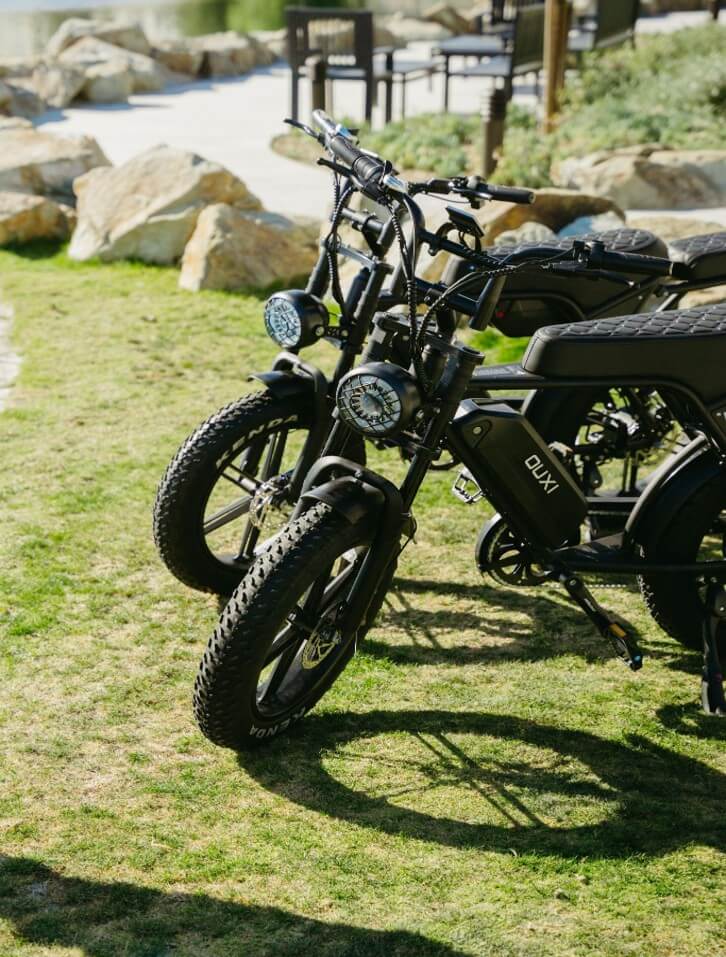
The tires are one of the first things I consider now. When I ride across smooth pavement, tire design may not seem particularly important. On gravel, dirt, grass, or uneven paths, however, the difference becomes much easier to notice. The wider tires used on fat tire e-bikes can provide a larger contact area with the ground. I find that useful when I want a more planted feeling on loose surfaces. They can also help soften some of the small bumps and vibrations that come through the bike.
Of course, tire width is not a guarantee of performance. Pressure, tread design, rider weight, and terrain all influence how a tire behaves. I see the tires as one part of the overall setup rather than a shortcut to better riding.
Power Should Match the Person Using It
Also, remember that there is no “more” power, as it were. An efficient motor can help to get you up and running, and give you some help when riding for long. I also want the bike to be predictable when I’m accelerating and slowing down. This is especially true for electric dirt bikes for teenagers. A younger rider may not have experienced things at the same level as an adult, nor have the same physical capabilities. The bike should therefore be appropriate to the size of the individual rider and not only because it will have a high performance level. But I’d first look at how big the rider is, how experienced they are, how confident they are, and how well they can operate the controls before considering maximum power.
The Right Fit Can Change Everything
Previously, I didn’t quite appreciate the importance of proper bike size. A bicycle that’s too big can cause the rider to have difficulty controlling it, particularly when stopping or turning. It must not be too small, as it can be uncomfortable and restrictive when ridden. This is even more crucial for the younger riders. I believe fit is something that parents should be looking at when they’re investigating electric dirt bikes for teens.
The rider should be able to sit comfortably on the bike, reach the controls, and not be overwhelmed by the weight of the bike. A proper fit can help to foster confidence and make learning more fun.
I Pay Close Attention to Braking
The braking system is a system that gets a lot of attention in the product description, but I’ve begun to take the same degree of interest in it. Riding outdoors can include abrupt acceleration and deceleration and varying terrain. The rider may need to brake heavily, but quickly and with control, if they must slow down sharply on a downhill section or due to loose gravel or an unexpected obstacle.
Good brakes to me are more about control than just stopping power. I want a consistent response so that I can change my speed, but not make any sudden movements. I test the brakes and ensure that they are not worn or damaged before the ride.
Trails Should Match the Rider’s Experience
I also think that sometimes the rider, rather than the bike, is the deciding factor, and the rider becomes too interested in whether the bike is capable of going on the trail than whether they should go on the trail. Not all of the hard trails are made for the beginner, but a competent e-bike can make it possible.
If I don’t know where an area is, I like to first do simpler ones. This allows me time to get to know the surface, turns, slopes, and obstacles before going higher. I would be even more cautious if I were a younger rider. They can learn to brake, steer, accelerate, and balance in a controlled environment with no distracting elements.
Battery Planning Is Part of the Ride
Another consideration I make when I want to venture outdoors is range. I’ve come to understand advertised range is more of a guide than a guarantee. The energy use can vary due to hills, rider weight, weather, tire pressure, terrain, and level of assistance.
If I’m riding for a longer time, I plan for what I think I will need and leave some charge in my tank for just in case. Also, I consider how it’s possible to get back if the battery goes down at an unexpected rate. When traveling in a short neighborhood area, this type of planning might seem irrelevant, but it becomes more critical when traveling outside of the neighborhood.
A Brand Is Only One Part of the Decision
As I did my own research, I stumbled upon OUXI amongst the other models of e-bikes available for different riding scenarios. I believe that brands can be a great starting point, but would prefer to assess the model itself rather than just the brand name. I look at the specifications, intended use, rider fit, and available features, especially when considering electric dirt bikes for teens. That approach helps me avoid choosing a bike simply because it looks impressive. The goal is to find something that fits the actual riding lifestyle.
Safety Does Not End With Buying the Bike
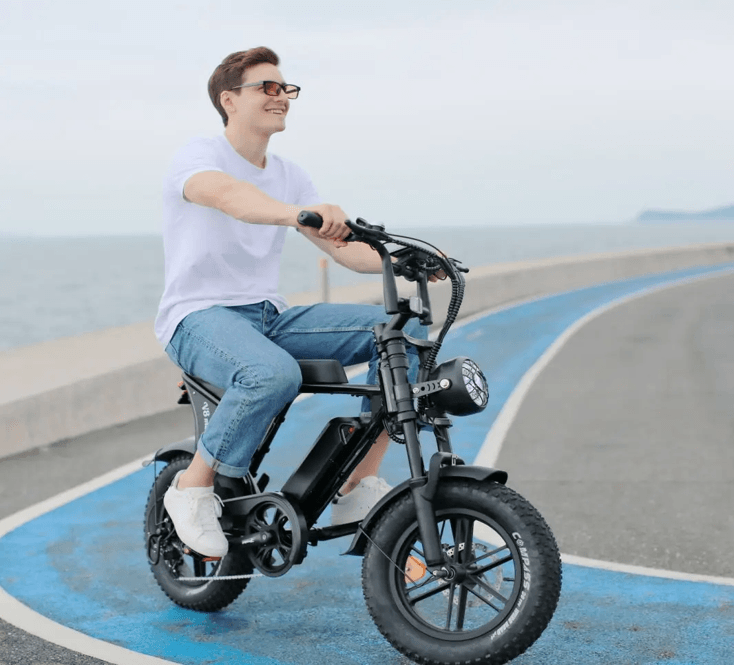
For me, preparing is a part of the electric bike ownership experience. The correct fit of the helmet is vital, and further protective gear may be advisable for some forms of riding outside. I do the checks for tires, brakes, battery, and exterior parts before extended travel.
This is especially true for younger riders and their use of supervised and suitable riding spaces. I would also consult local regulations prior to operating an electric dirt bike, as there are age restrictions, vehicle classifications, and locations that are allowed for operating a dirt bike.
Final Thoughts
As time has passed, I have developed a much more useful attitude toward e-bikes. While fat tire e-bikes can provide valuable stability, traction, and comfort on different surfaces, the tires are just a portion of the equation. If I had to list what I’d give top priority to electric dirt bikes for teens, I would place those on top of specs. If I had to list the factors that come first to me when thinking about electric dirt bikes for teens, I would list these before impressive specs. The final decision can be based on the brands, but only if they are suitable for the individual who would ride the bike, and OUXI can be included in the research process.
FAQs
1. Do fat tire e bikes work well on paved roads?
Yes. They can be ridden on pavement, but will feel different on the wider tires than a typical commuter bike.
2. How should I choose an electric dirt bike for a teenager?
I would take into account the size of the teenager, how much they weigh, how much of a rider they are, how they operate the controls, and the terrain that they will be riding on.
3. Are wider tires better for every type of trail?
No. Wider tires are not necessarily better on loose or uneven surfaces, but it depends on the terrain, the type of tread, pressure, and the overall design of the bike.
4. Should beginners use electric bikes on difficult trails?
I would begin on easier ground! Once you know how to control it and build confidence, it’s easier to advance safely.
5. How often should I check an electric bike before riding?
I’m going to recommend, before every ride, just a quick look to see how your bike is doing, before you go anywhere, think about your tires, brakes, check battery levels and look for any noticeable damage.
Popular on OTW Right Now!


About The Author

Gagan Bhangu
Founder of otechworld.com and managing editor. He is a tech geek, web-developer, and blogger. He holds a master's degree in computer applications and making money online since 2015.