
Escrow Shortages and Their Effect on Mortgage Payments
A mortgage statement can look steady for a year and then arrive with a number that no longer matches the household budget. The cause is usually the escrow account rather than the loan itself. Small gaps between estimated bills and actual ones quietly reshape what a homeowner owes each month.
Property taxes climb, insurance premiums reset, and the cushion set aside last year stops stretching far enough. Servicers respond with an adjustment that feels abrupt to anyone who was not watching. A little context turns that surprise into something predictable and manageable. To know more, please read this article.
The Account Working Behind Every Payment
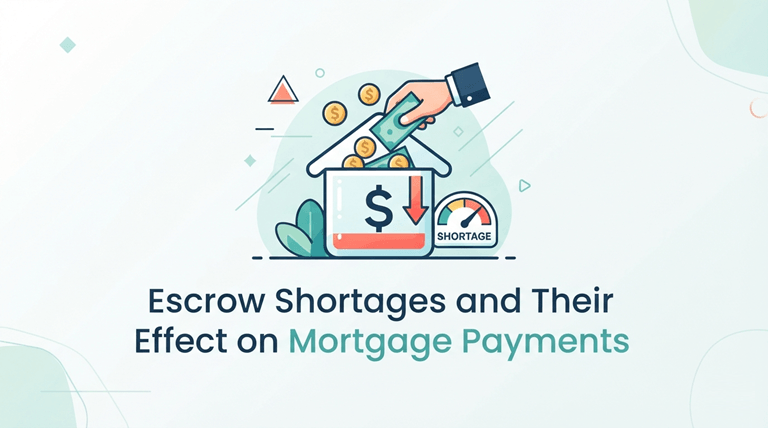
So, What is escrow on a mortgage? It is a holding account the servicer manages, funded by a slice of each monthly payment and used to pay property taxes and homeowners insurance when those bills come due. The servicer estimates the year ahead, divides that total across twelve months, and adds a modest reserve. Federal rules cap that reserve at roughly two months of disbursements, which leaves little room for error when costs jump.
Common Reasons the Balance Falls Short
A shortage simply means the account holds less than the year’s obligations require. Several forces push it there:
- A county reassessment that raises the taxable value of the home.
- An insurance renewal priced higher after storm losses or rebuilding-cost increases.
- The expiration of a homestead, senior, or veteran exemption.
- A first-year estimate built on the previous owner’s lower tax bill.
- Escrowed items added mid-year, such as flood coverage.
The Ripple Effect on Monthly Costs
Each annual escrow analysis compares what came in against what went out. A deficit triggers two adjustments at once: the servicer raises the ongoing monthly deposit to match the new cost level, then adds a separate repayment amount to refill the account. That combination explains why a payment can rise more sharply than a tax bill alone would suggest.
| Escrow item | Prior year estimate | Current year actual | Monthly impact |
| Property taxes | $3,600 | $4,200 | +$50 |
| Homeowners insurance | $1,800 | $2,160 | +$30 |
| Shortage spread over 12 months | — | $960 | +$80 |
| Total change | +$160 |
Options for Clearing the Deficit
Servicers generally present two paths, and each suits a different cash-flow situation:
- Lump-sum payment — settles the deficit immediately, so the payment rises only by the amount tied to higher taxes and insurance.
- Spread repayment — divides the shortfall across twelve months, which preserves savings while keeping the payment elevated for a full year.
Stay Ahead of the Next Adjustment
Review the annual statement the week it arrives instead of filing it away. Assessment notices from the county and renewal quotes from an insurer both arrive months before the escrow analysis, giving homeowners a preview of the change. An extra deposit made voluntarily before the review can soften or erase the increase entirely.
Comparison shopping for coverage and appealing an inflated assessment address the root cost rather than the symptom. A brief call to the servicer clarifies which items sit inside the account and which remain the homeowner’s direct responsibility. Clear expectations keep the question of ‘What is escrow on a mortgage’ from resurfacing as an unwelcome surprise.
Escrow shortages reflect rising costs, not mismanagement. A quick annual review keeps the adjustment small and predictable. Informed homeowners treat the statement as a planning tool rather than a bill.
Popular on OTW Right Now!



About The Author

Gagan Bhangu
Founder of otechworld.com and managing editor. He is a tech geek, web-developer, and blogger. He holds a master's degree in computer applications and making money online since 2015.