
How to Choose the Right Laser Hair Removal Device?
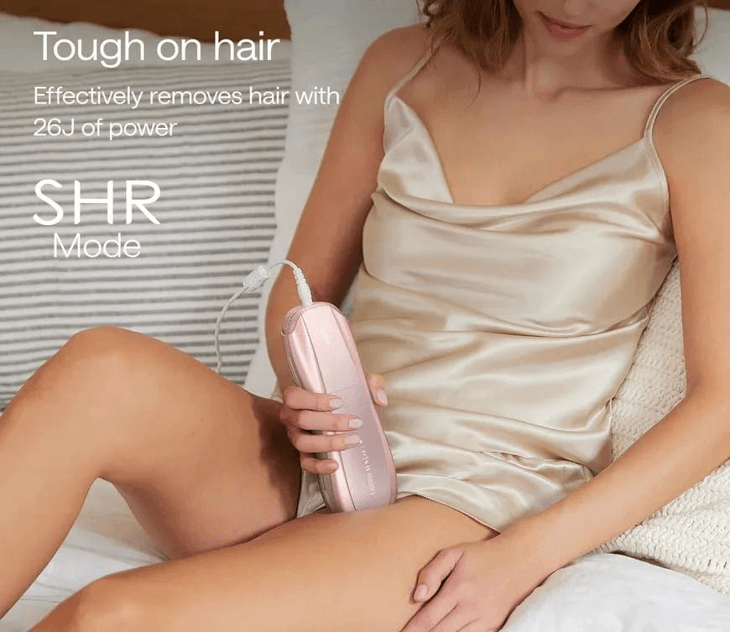
Choosing the right laser hair removal device starts with understanding what the device can safely treat and how it fits your routine. The best option is not simply the most powerful or the most expensive. It is the one that matches your skin tone, hair color, treatment goals, and comfort level. Depending on the body size or area, some pieces of equipment are better suited to small, precise areas, while others are better suited to larger areas and quicker sessions. These features can include the ability to adjust the energy level, the presence of skin tone sensors, and flash speed, which can significantly impact both safety and convenience. Consider also how frequently you will use the device, the maintenance requirements, and the functional design for frequent use at home. With all of these factors carefully considered, it will become much easier to select a laser hair removal option that is safe, effective, and worth it.
Identify Your Skin, Hair, and Treatment Needs
Match Device Technology With Skin Tone and Hair Color
Make sure that it is compatible with your skin tone and hair color. Light-based hair removal is most effective on darker hair and is less effective on very light blond, gray, red, or white hair. It is also important that the skin tone matches, as otherwise it will be less effective or cause irritation. Search for a device that has a skin tone compatibility chart that is easy to read and built-in safety advice. If you have a medium to deeper skin tone, don’t choose a model that is intended for light skin tones. The best device will tell you who can use it safely, where it can work, and when it can’t.
Consider Treatment Areas, Comfort, and Usage Frequency
Next, consider where you want to use the device and how often you would treat. A device with a wider treatment window and fast flash time is ideal for large areas like legs, arms,s or back. If you want a smaller area like the upper lip, bikini line, or underarms, you’ll need something with greater precision and ease of handling. Comfort is also important since frequent use results in greater long-term reduction. If you can, use a device that has more than one intensity setting, to begin at a lower setting and gradually build up. If simplicity is a priority, consider a device that offers easy home use, works well in a weekly or biweekly program, and doesn’t become a burden.
Evaluate Important Features of a Laser Hair Removal Device
Check Energy Levels, Safety Sensors, and Ease of Use
A reliable laser hair removal device should offer adjustable energy levels so you can balance comfort with effective treatment. The low setting will help a person get used to sessions, and the high setting will facilitate efficient coverage if it’s well tolerated. Equally vital are the safety sensors,ors which can help ensure skin contact and sometimes determine whether the skin color is in a safe treatment range. These features eliminate any element of guesswork and help to make their home use safer. User-friendliness is important; don’t overlook it. Easy to keep consistent because of clear display, ergonomic grip, and simple controls. When a device is unfamiliar or unappealing, it is less likely to be used correctly or regularly.
Review Flash Speed, Lifespan, and Maintenance Requirements
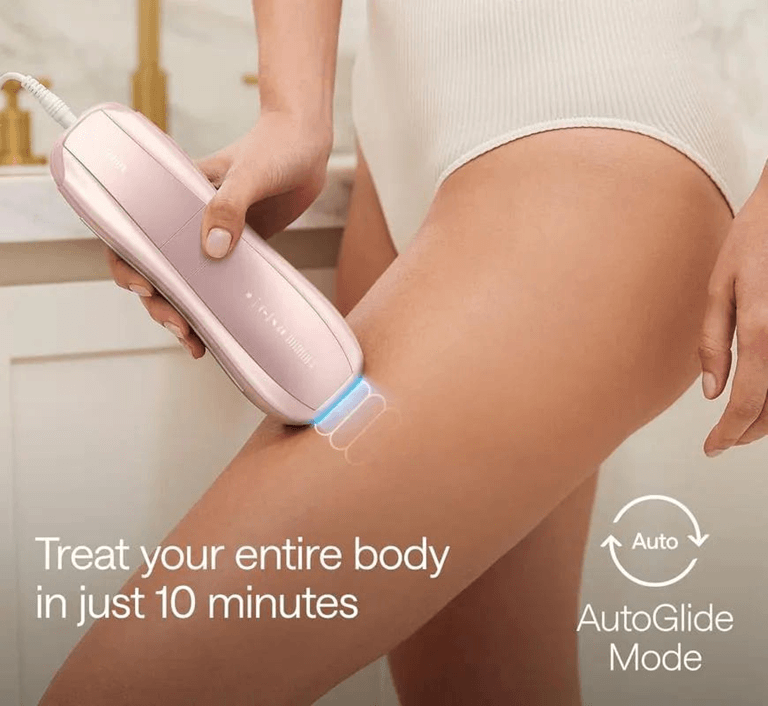
Each session time is influenced by flash speed. With faster repetition, whole-body treatments can be much easier to manage, particularly when applying them regularly to larger areas. A slower device may perform well, but will require more patience and become less convenient over time. Also, take the lifespan into account; see how many flashes the device can take and whether that fits your needs for long-term use. A good at-home hair removal device should last for several sessions before warranting replacement. It should be easy to maintain. Try to find a design that is easy to clean, store securely, and maintain. Easy maintenance helps maintain stable performance and makes it easier to use.
Practical Tips Before Making Your Final Purchase Decision
Avoid Common Mistakes When Choosing a Hair Removal Device
A common error is purchasing a device without checking its compatibility with your skin tone and hair color. Another is the emphasis on marketing claims rather than on practical aspects such as safety sensors, intensity/strength adjustability, and treatment speed. Another common mistake is not considering the device’s shape, so it doesn’t fit on curved or smaller surfaces. Not all at-home laser hair removal devices are the same, and not all of them cover the same areas! Be sure to read the directions for use before buying. Additionally, it’s a good idea to assess whether the treatment plan seems achievable, as consistency is key to long-term smoother skin.
Build a Safe and Effective Treatment Routine
After deciding which device to use, use it consistently. Firstly, shave the treatment area, and ensure that the skin is clean and dry. Do a patch test first, and work up the intensity if possible. Use the device according to the recommended treatment schedule – do not use it too frequently. Record the sessions to ensure that treatments aren’t missed and that the same area isn’t overused. Do not apply it to irritated skin, tattoos, or other areas not recommended by the manufacturer. If your skin is sensitive, stick to simple skincare after each session. A consistent and planned routine enhances safety, ensures effective hair reduction, and maximizes your investment.
Conclusion
The best laser hair removal device is the one that suits your skin color, hair color, treatment areas,s and lifestyle. First, consider compatibility, and then consider features that can impact safety, comfort, and convenience over time. When selecting an at-home device, adjustability of energy levels, dependable sensors, practical flash speeds, and ease of use all come into play. Additionally, one should be aware of typical pitfalls in buying and adherence to realistic treatment after purchase. Instead of hype, you can make a better choice by concentrating on safe use and practical performance. A well-matched device will feel more comfortable to use, be safer for your needs, and be more effective over time.
Popular on OTW Right Now!




About The Author

Gagan Bhangu
Founder of otechworld.com and managing editor. He is a tech geek, web-developer, and blogger. He holds a master's degree in computer applications and making money online since 2015.