
Top Technology Investments for Logistics and Supply Chain Companies
Technology isn’t changing logistics. Customer expectations are. That’s a key distinction. Moving products or supplies from one location to another as effectively as possible has long been the focus of the logistics sector. Increased deliveries, lower margins, labor shortages, fuel costs, and ever-growing visibility requirements have created an environment in which anything less than 100% efficiency is more costly.
It may be a minor update that you don’t notice. If you have an inventory error, it may seem like a small matter. A communication mistake may cause a delay of just an hour in the delivery. However, small problems are apt to escalate in logistics. In fact, that’s changing technology spending priorities for businesses.
Warehouse Technology That Solves Everyday Problems
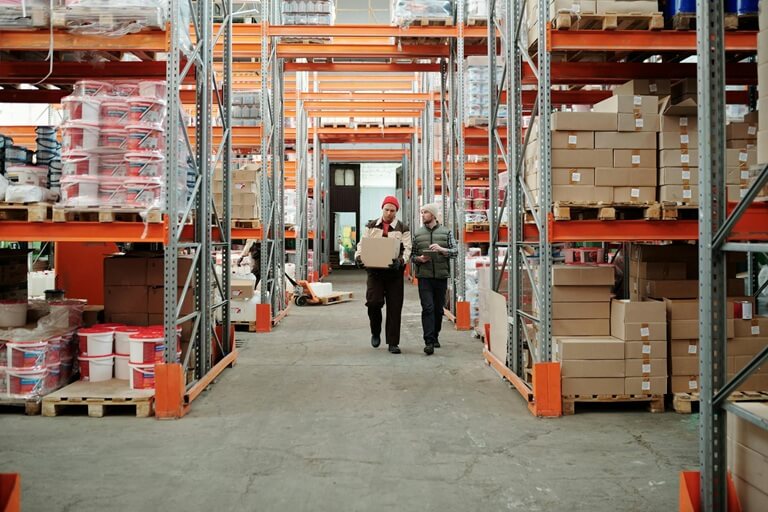
If warehouse managers are asked what is slowing down their operations, they’ll most likely respond with the little things. The “show current stock” option is not working. The inventory levels should be double-counted. If there is no information, an order cannot progress. Good staff time is used searching for answers rather than moving products. These are not the only circumstances. They are a part of the life of a typical warehouse.
As always, a warehouse management solution is helpful in this scenario. They help teams monitor product flow, track orders, view stock levels, and identify issues before they impact customers. Peace of mind is often the best benefit. When it’s right, people spend less time second-guessing and more time completing tasks.
Visibility Has Become Part of the Service
A customer’s former satisfaction came when they knew a shipment would arrive sometime the following week. Those are the days of yore that are gone. Todayy, businesses are looking for updates throughout the journey. Customers want to be aware of where their orders are, whether they are on schedule, and whether they are delayed. Real-time tracking was once a luxury, but has become a part of the standard service experience.
A range of technologies, including GPS tracking, telematics systems, and connected devices, enables that visibility. They enable logistics teams to respond faster to problems, and give information rather than estimates. This not only enhances customer satisfaction but also brings a variety of other advantages. It helps to eliminate uncertainty during the operation.
Cloud Platforms Quietly Make Everything Easier
While AI and automation are the focus of much attention, cloud technology usually has a greater influence on day-to-day operations. This is for a simple reason. There are many people in a supply chain. All the right people in the warehouse, suppliers, transport partners, dispatchers, and customers require information. In most situations, issues arise from working with different versions of the same information held by different individuals.
Cloud platforms can help to clear up a lot of that confusion. Instead of having to look for information in spreadsheets, ask for updates,s or wait for e-mail, team members can now access the information at any time they want.
Communication Still Can’t Be Overlooked
All the progress of software is based on conversations, and so is logistics. There must be somebody aware that a truck has arrived. In the warehouse, there should be someone to direct the personnel. If there’s a problem, someone must report this before a delay occurs. This urgent need for “communication” also remains.
This is why communication equipment remains part of many logistics operations. Businesses looking for a two way radio for sale are usually not searching for the latest gadget. They're looking for a dependable tool that helps teams communicate instantly across warehouses, loading areas, and distribution sites.
The technology itself isn’t the interesting part. The ability to solve a problem quickly is.
AI Is Becoming Useful Rather Than Impressive
There were several abstract debates regarding AI a couple of years back. So it’s now more practical.
Is it possible for AI to more accurately forecast demand? Is it capable of recognizing inefficiencies? Does it save time or improve time management? If the answer is no, businesses do not pay attention.
Many logistics companies are now using AI to optimize routing, analyze inventory, forecast demand, and detect potential disruptions, ahead of traditional methods. What’s interesting is that successful companies are not implementing AI simply because they believe it will be fashionable. They’re doing this because it helps them answer operational questions more quickly.
Cybersecurity Is No Longer Optional
Each new digital system is an opportunity for both, but also poses risks. Enterprises regularly rely on inventory systems, customer portals, transportmanagement,, and warehouse software for trustworthy information. Operations may slow down rapidly if certain systems are disrupted. Hence, cybersecurity is no longer considered a technical problem. It’s a matter of how it runs!
Employee training, enhanced access controls, device security, and ongoing monitoring have become part of responsible technology planning. Most companies wouldn’t want to have to rely on those protections. The clever ones still make investments in them.
Final Thoughts
The best logistics technology investment in terms of value is not necessarily the most thrilling. It’s the ones that eliminate friction. They speed the warehouse team’s search process. They assist managers in detecting issues at an earlier stage. They help keep drivers, dispatchers, and operations personnel connected. They ensure companies in judgment.
Whether you’re looking for a cloud-based solution, AI-powered planning software, warehouse management system, improved cybersecurity, or reliable communication equipment, the goal is always the same. Ease work. Smooth out the operation. Avoid frustrating customers by implementing solutions that make problems easier to solve.
Popular on OTW Right Now!




About The Author

Gagan Bhangu
Founder of otechworld.com and managing editor. He is a tech geek, web-developer, and blogger. He holds a master's degree in computer applications and making money online since 2015.